Cure Blau Syndrome Foundation
Help us cure Blau syndrome.
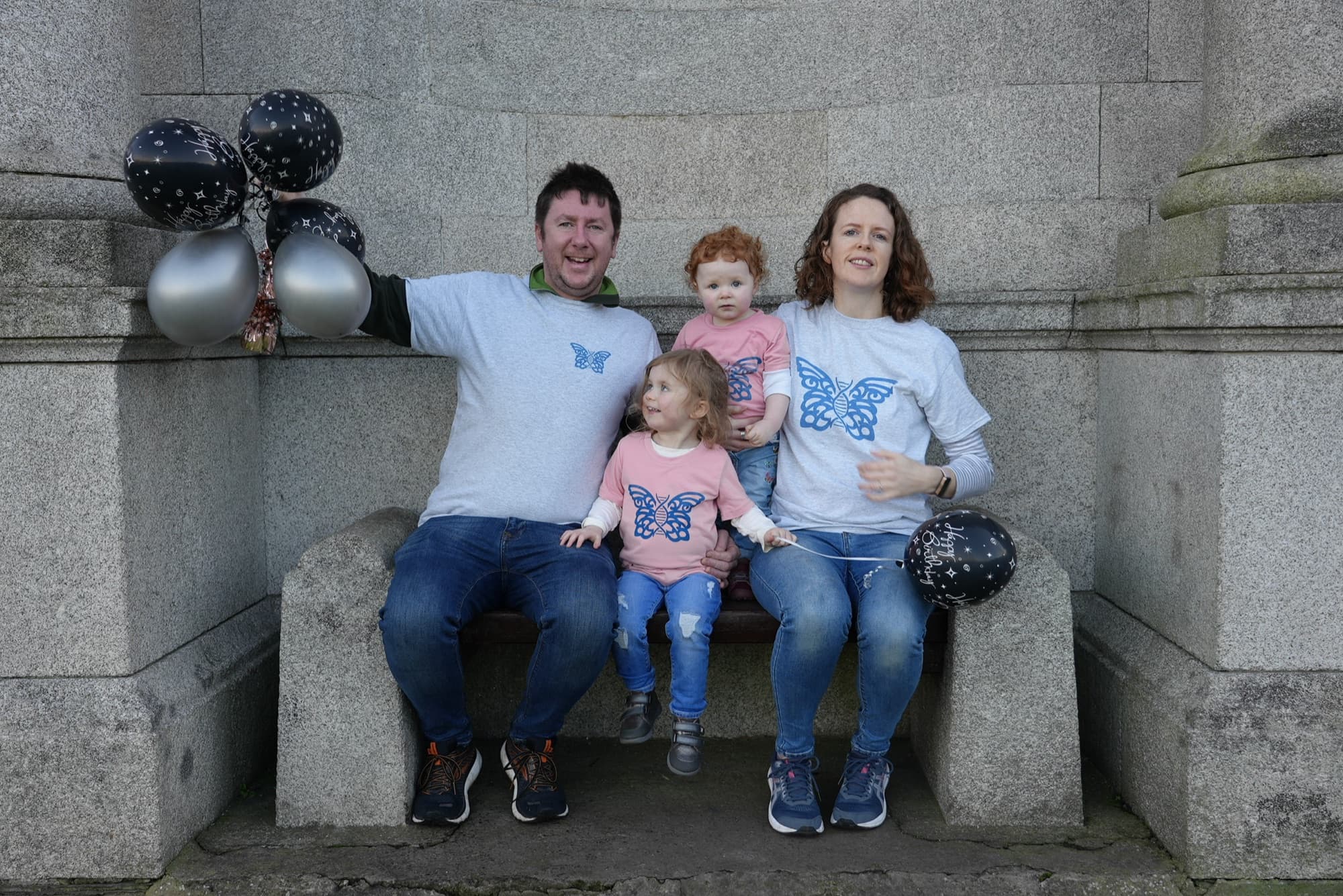
Blau syndrome is a rare genetic disease that takes children’s vision and mobility, and sometimes their lives. We are the parents, patients, scientists and doctors working toward an effective treatment and, ultimately, a cure.
A registered 501(c)(3) nonprofit. 100% of donations support research and patient programs.
What is Blau syndrome?
Rare, degenerative and life-threatening.
Blau syndrome is a genetic autoinflammatory disease caused by mutations in the NOD2 gene. It appears before age three with a classic triad of arthritis, skin rash and uveitis, and can spread to the kidneys, liver, brain, heart and blood vessels. There is no cure, and no treatment made for Blau.
- of patients have granulomatous arthritis and tenosynovitis, often beginning in infancy
- 96%
- have granulomatous dermatitis, usually the earliest sign
- 90%
- develop uveitis, which can lead to vision loss
- 80%
- a single gene. Blau is diagnosed with a simple blood test and shows before age three
- NOD2
Why we exist
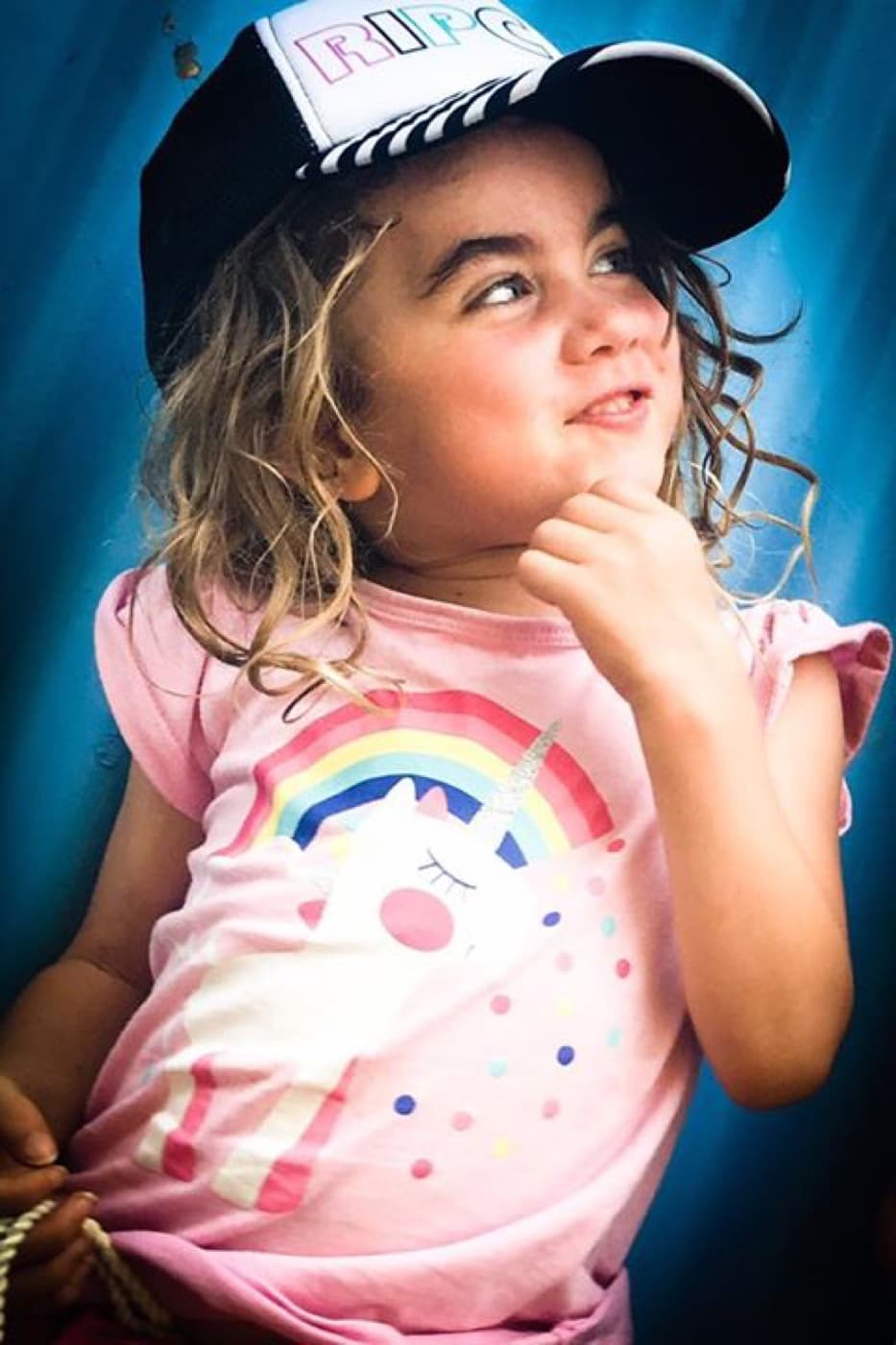
Lexi was the original inspiration and founder of the Cure Blau Foundation. We ran out of time before we could find a cure for Lexi, but we carry on in her legacy for those who continue their battles with Blau.
There is currently no effective treatment for Blau. While our ultimate goal is a gene therapy and cure, we are exploring every option for an effective treatment. Help us turn hope into action.
Stories
Families fighting a hidden battle.
People with Blau often look well on the outside. These are the stories, in their families' own words, of what the disease takes and what keeps them going.
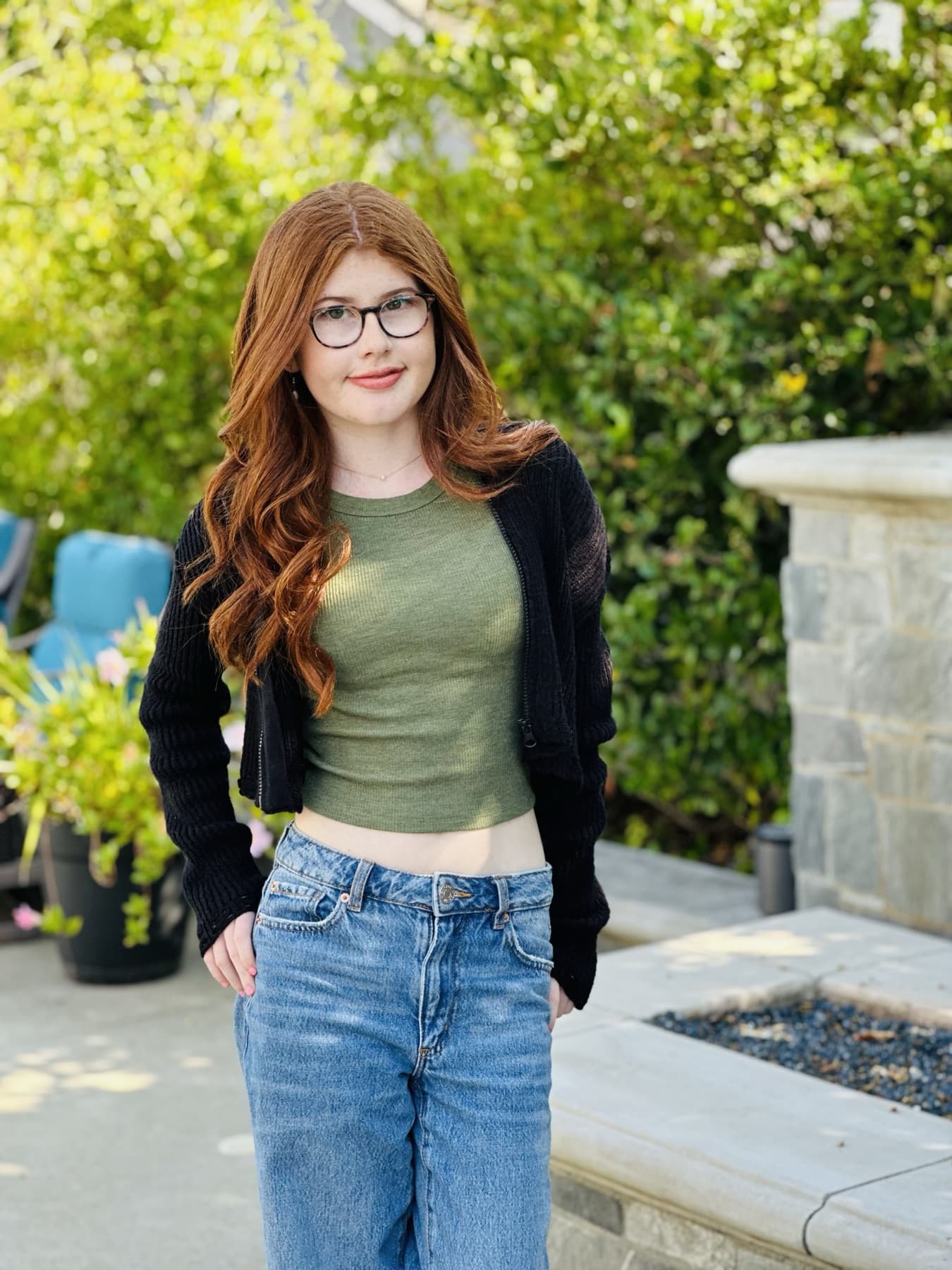
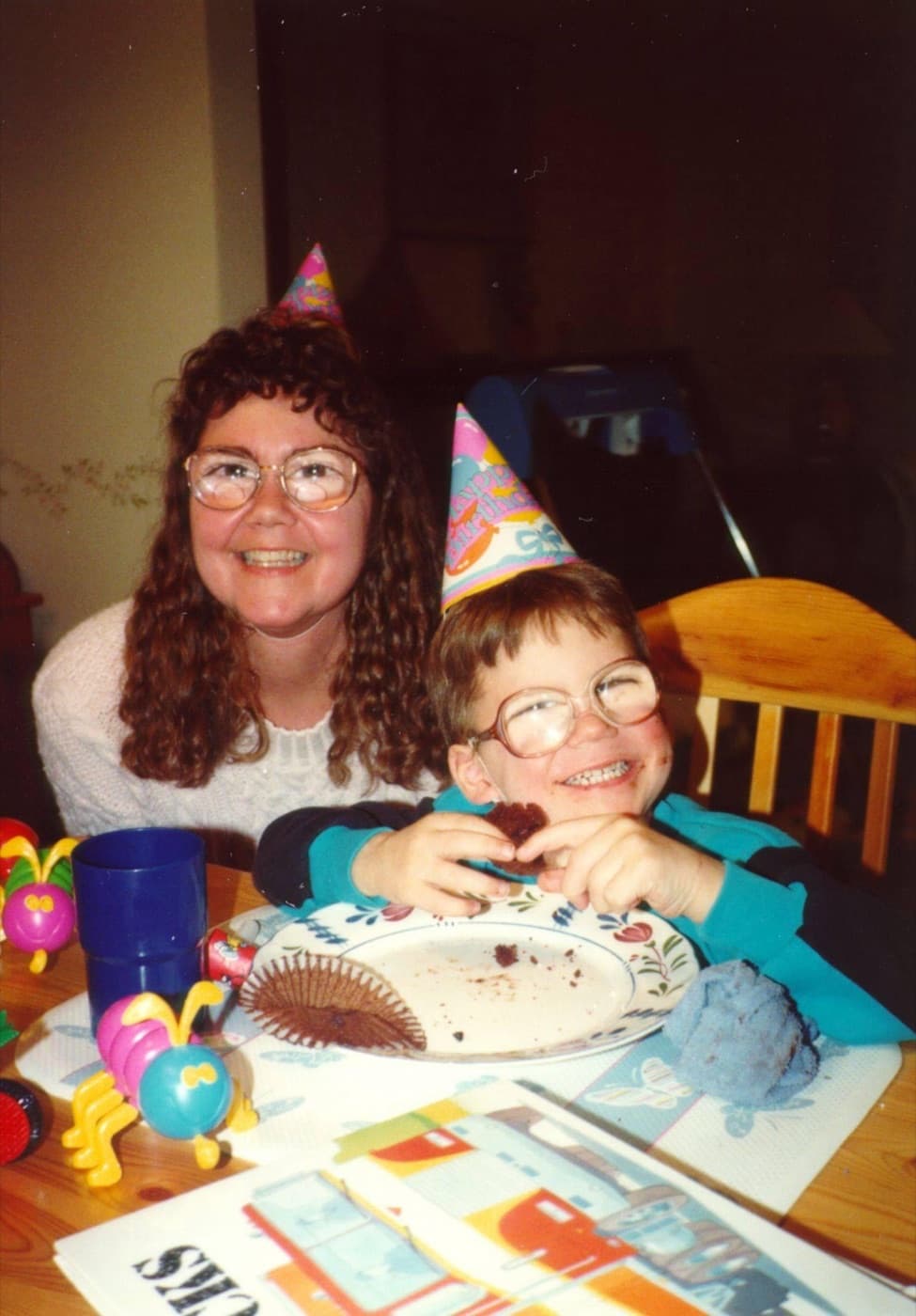
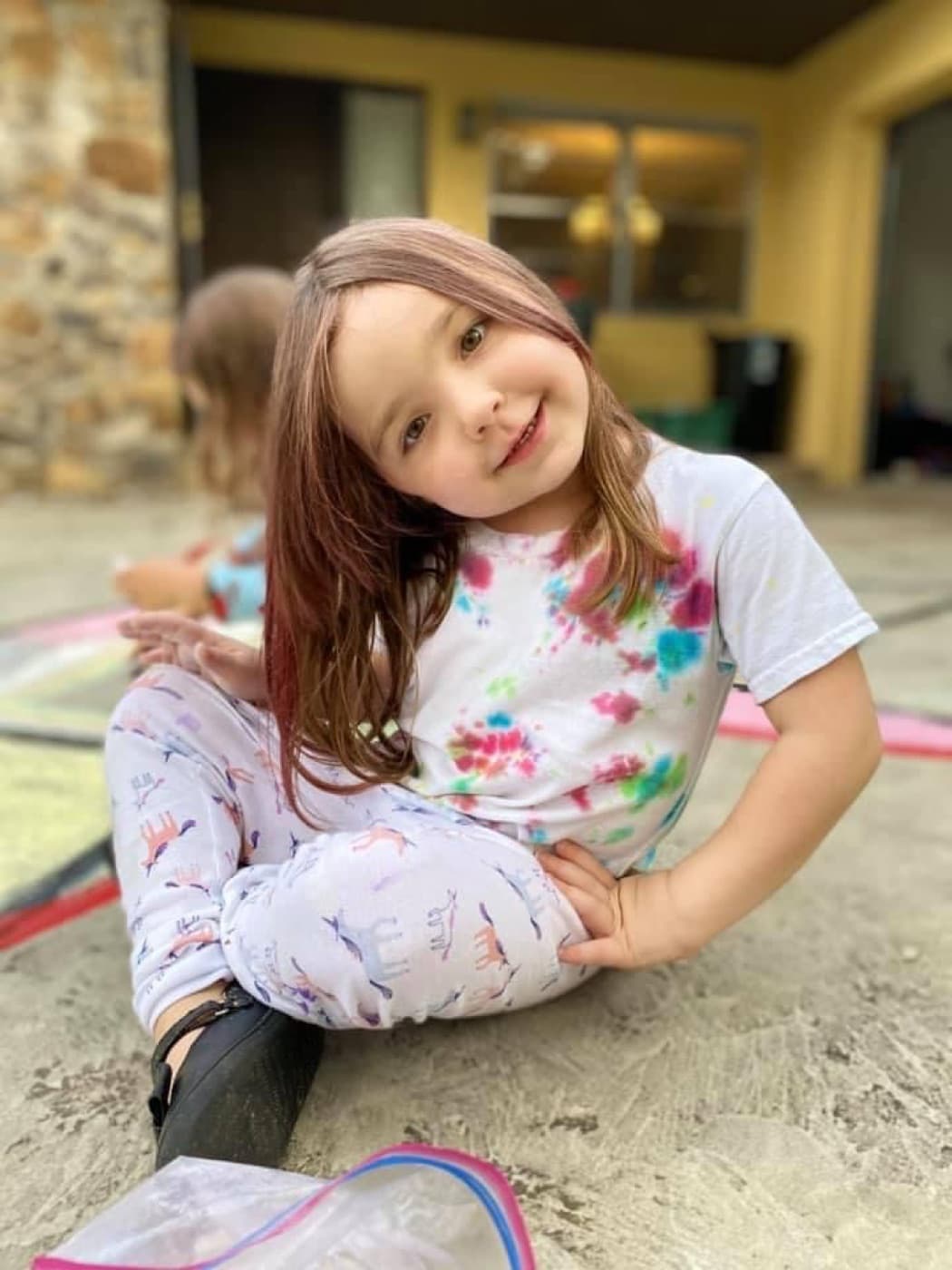
Do you have a story to share? We would love to hear from you.
Share your storyBlau Syndrome International Registry
Your experience is data researchers cannot get anywhere else.
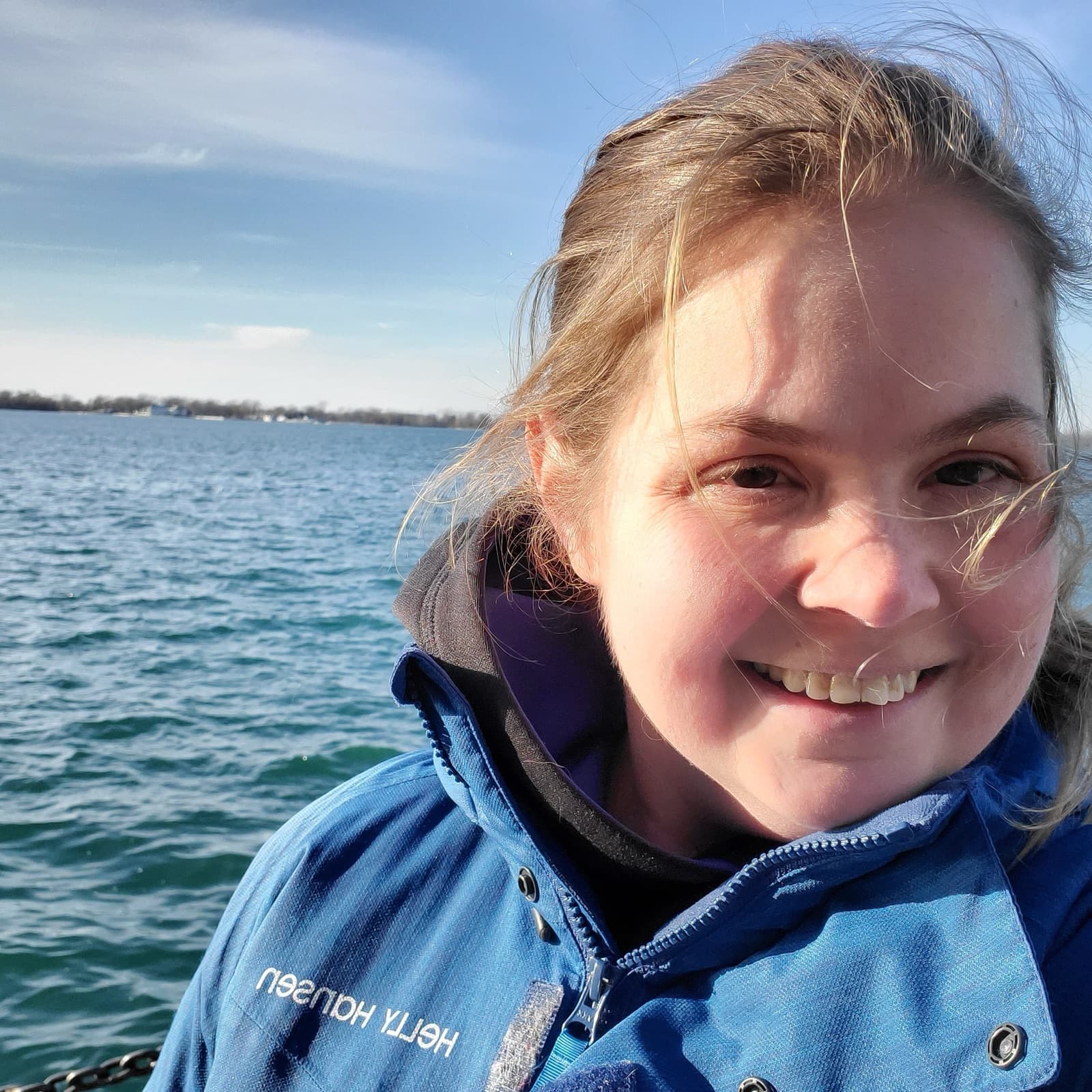
Blau is so rare that no single clinic sees enough patients to learn from. The registry, built with Coordination of Rare Diseases at Sanford (CoRD), gathers symptoms, genetic results, treatments and quality of life from families worldwide, securely and anonymized, so science can see the whole picture.
- 1. EnrollComplete the activation form and review the informed consent.
- 2. ShareAnswer the questionnaire about your or your child's experience with Blau.
- 3. UpdateRefresh your answers once a year so the data stays current.
Also for researchers
Cell lines and DNA from Blau patients are banked at the NIGMS Repository at Coriell and available to every qualified investigator in the world. How the biobank works
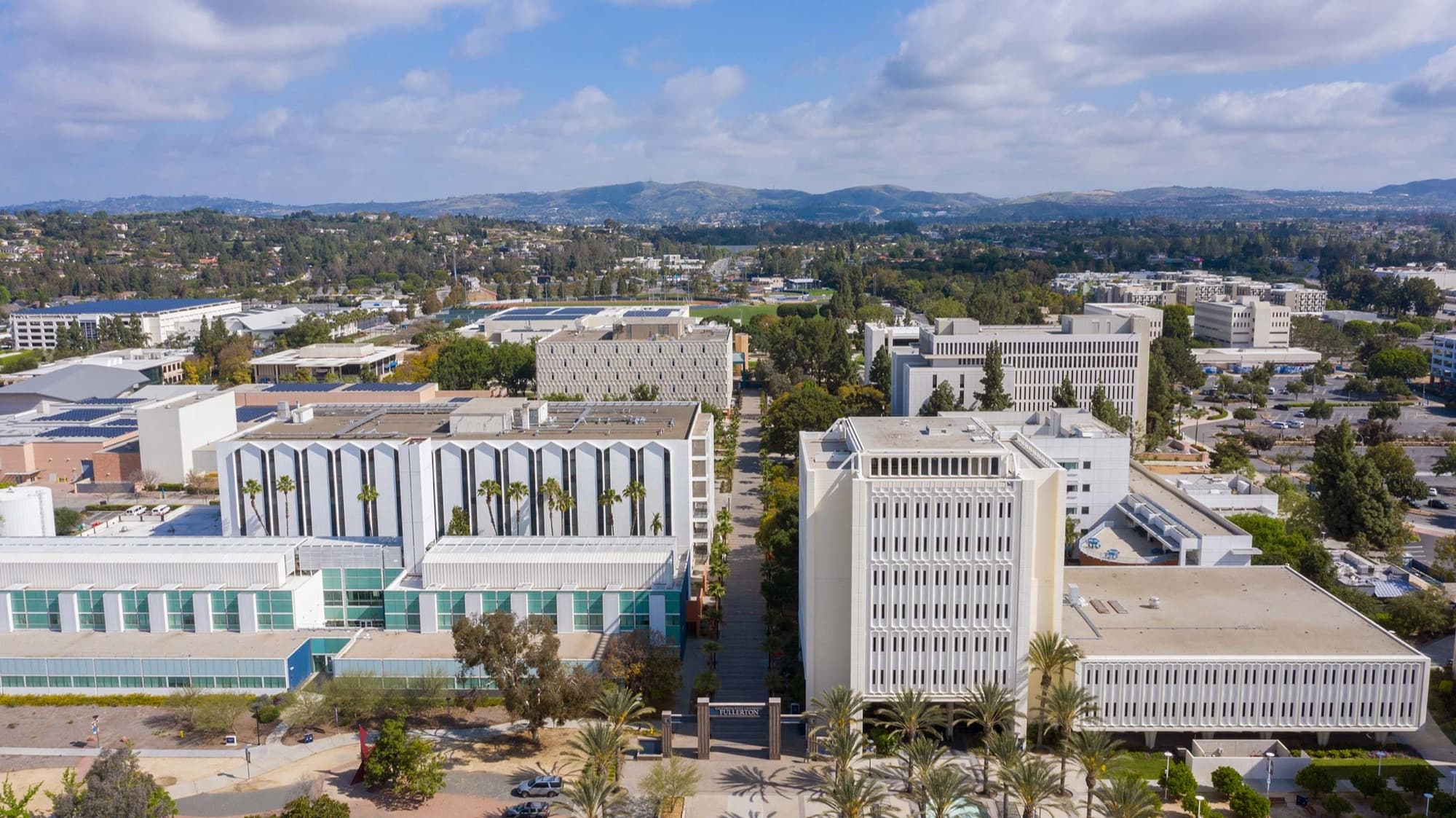
Blau Summit 2026 recap
Science and community, in the same room.
On July 9 and 10, 2026, researchers, clinicians, patients and families from around the world gathered at California State University, Fullerton for the first Blau Syndrome International Summit.
- KeynoteRuth Napier, Ph.D., on how research is opening new doors in Blau syndrome
- Three tracksScientific, patient and family, and children's programs
- Natural history studyA half day of data collected directly from participating patients
- CommunityShared meals, a backyard BBQ and families meeting in person
What we do
Research is our focus. A cure is our only purpose.
Every program exists to find patients, connect them to scientists, and fund the work that gets us closer to treatment.
Get involved
Four ways to turn hope into action.
Stay in the loop
Join our campaign to cure Blau.
Research news, summit announcements and ways to help, a few times a year.
Ask a researcher
Have a question about Blau syndrome?
Submit it here. Each week a Blau expert answers chosen questions on our Facebook and Instagram pages. To stay anonymous, enter info@curebs.com as your email and leave your name blank.
Every dollar, every hour, every voice matters.
Rare disease research only moves when families and supporters push it. Your gift funds research directly, and your story in the registry gives scientists data they cannot get anywhere else.